
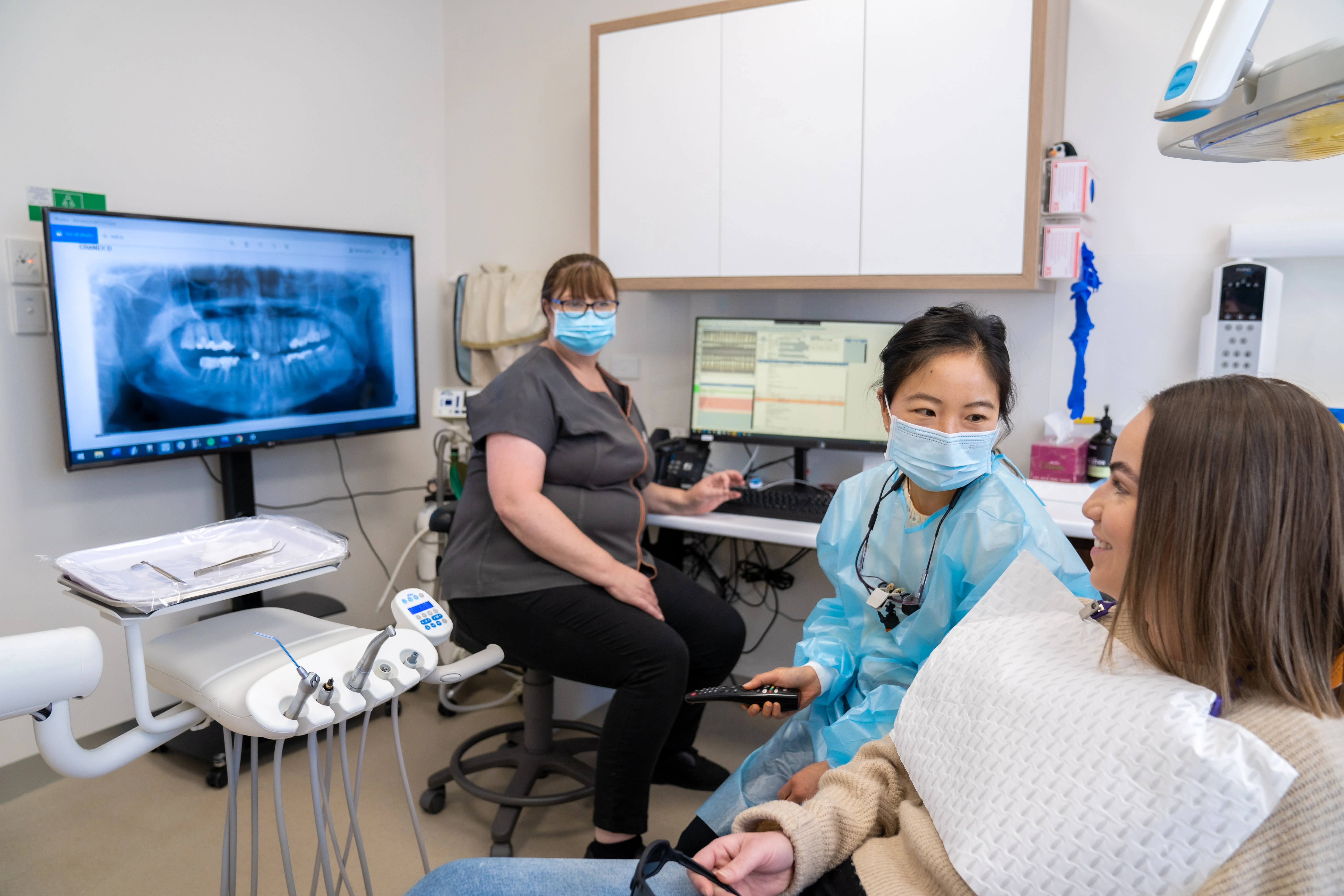
A dental crown and a veneer can both improve the appearance of a tooth – but they work in very different ways, suit very different situations, and involve very different levels of preparation. One is primarily about restoring a tooth. The other is about improving how it looks.
Here's a straightforward breakdown of what each involves, when one tends to be considered over the other, and what we at Great Alpine Dental look at before making a recommendation.
Think of it this way: a veneer is like a thin shell bonded to the front face of a tooth. A crown is more like a cap that fits over the tooth.
That single difference in coverage drives most of what sets these two treatments apart: how much tooth structure is removed, what conditions each is suited to, and how the procedure unfolds.
A dental crown encases the entire visible portion of a tooth, all surfaces, from the gumline up. It restores both the appearance and the structural integrity of a tooth that's been significantly damaged or compromised.
Because a crown covers the whole tooth, some of the existing tooth structure needs to be removed so it fits properly. How much depends on the individual tooth and the type of crown selected.
Common crown materials include:
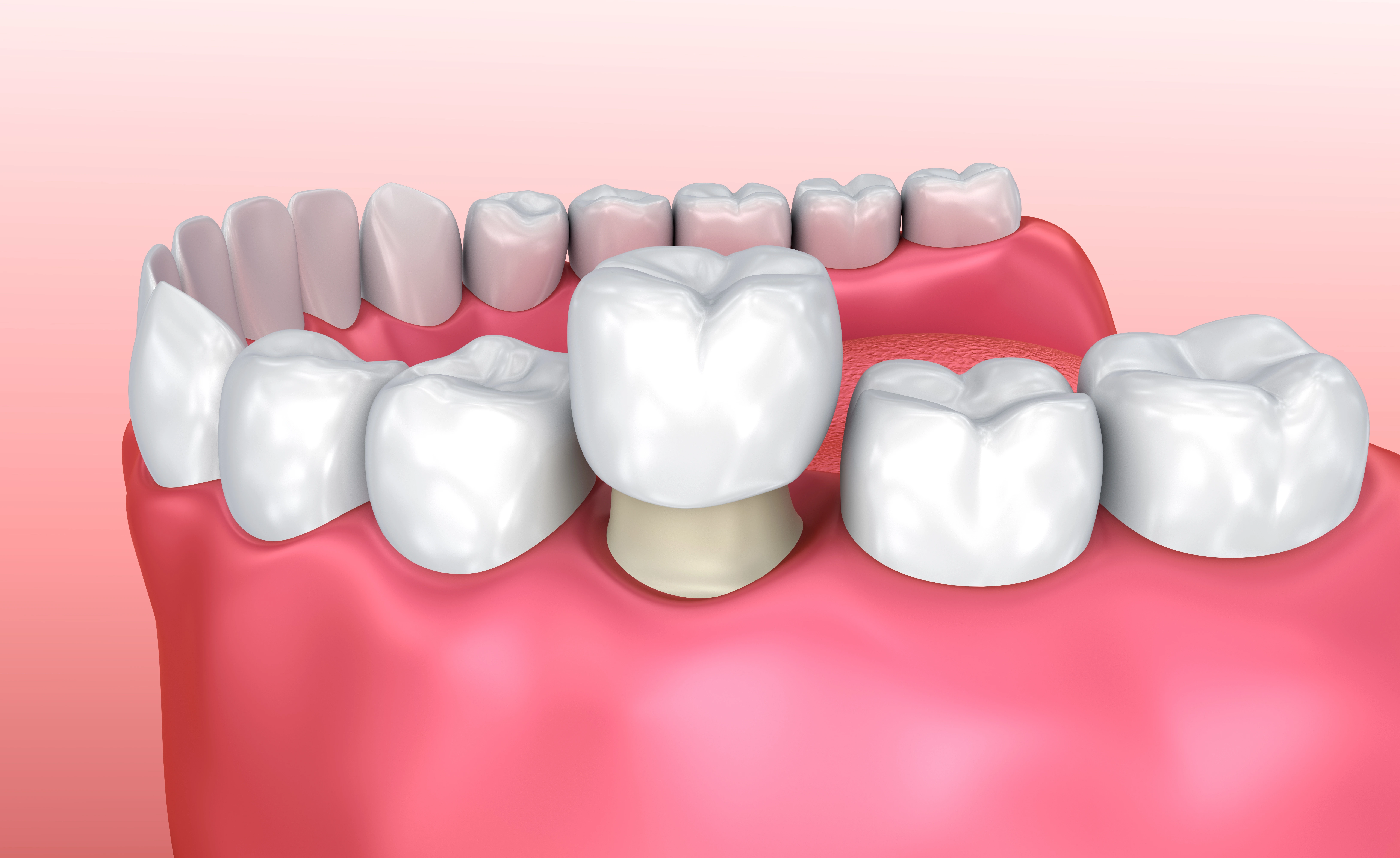
We will often discuss a crown when a tooth has:
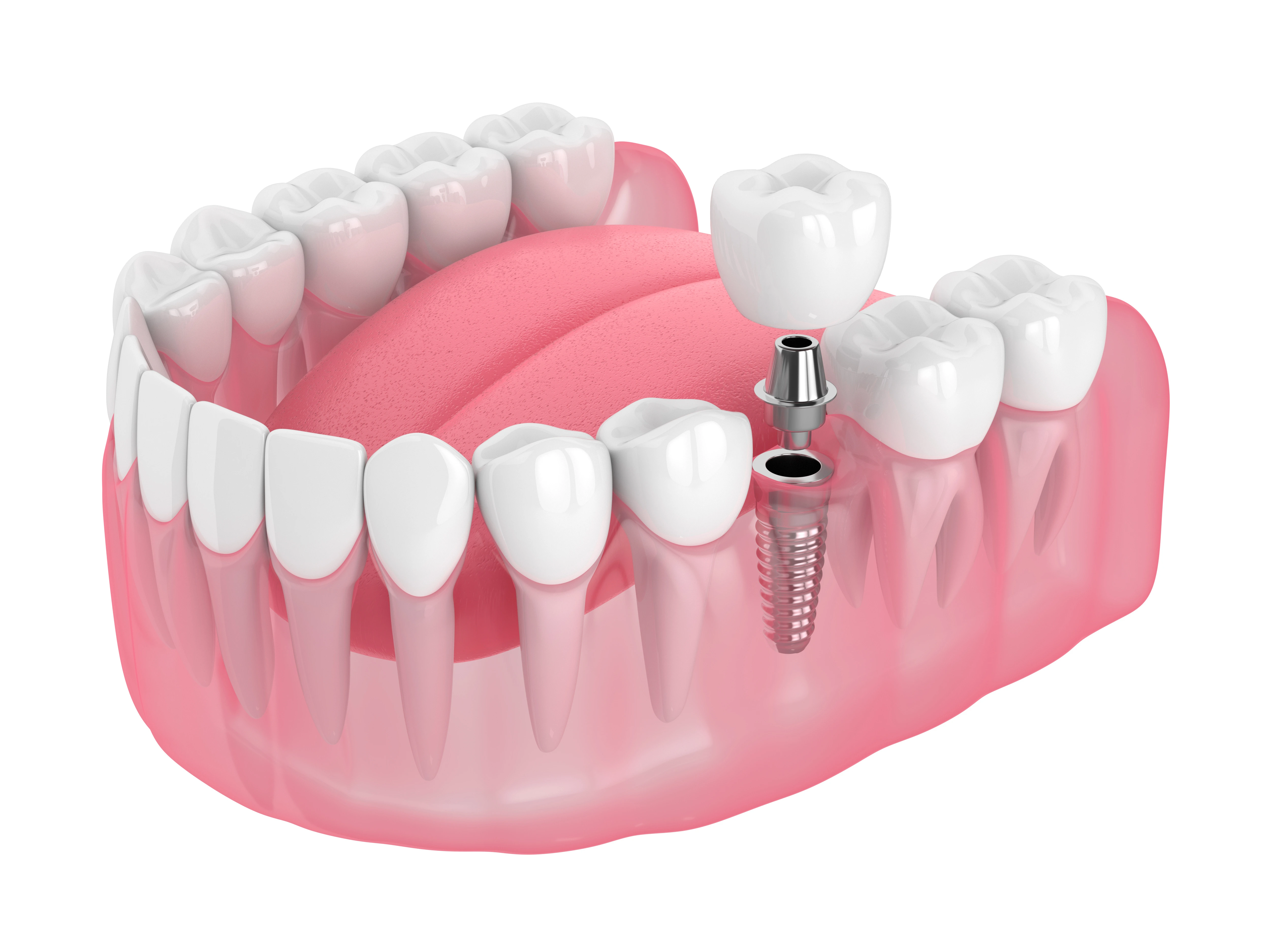
Crowns are also used to support dental implants, acting as the visible, functional tooth above the gumline.
A dental veneer is a thin, handcrafted shell, most commonly made from porcelain or composite resin, that is bonded to the front surface of a tooth only. It doesn’t wrap around the full tooth.
Because veneers sit on the front face of a tooth, they’re primarily placed on visible front teeth and are most often chosen for cosmetic rather than structural reasons.
Porcelain veneers are custom-made in a dental laboratory and bonded to the tooth at a follow-up appointment. They are more durable and stain-resistant than composite and can last approximately 10–15 years with appropriate care. Porcelain closely mimics the way natural tooth enamel reflects light, which gives it a natural-looking appearance for most patients.
One thing we always tell our patients upfront is that porcelain veneers typically require a small amount of enamel to be removed from the tooth surface. Once this preparation is done, the tooth will always need to be covered. That makes it an irreversible process, and it's something worth understanding clearly before you decide to go ahead.
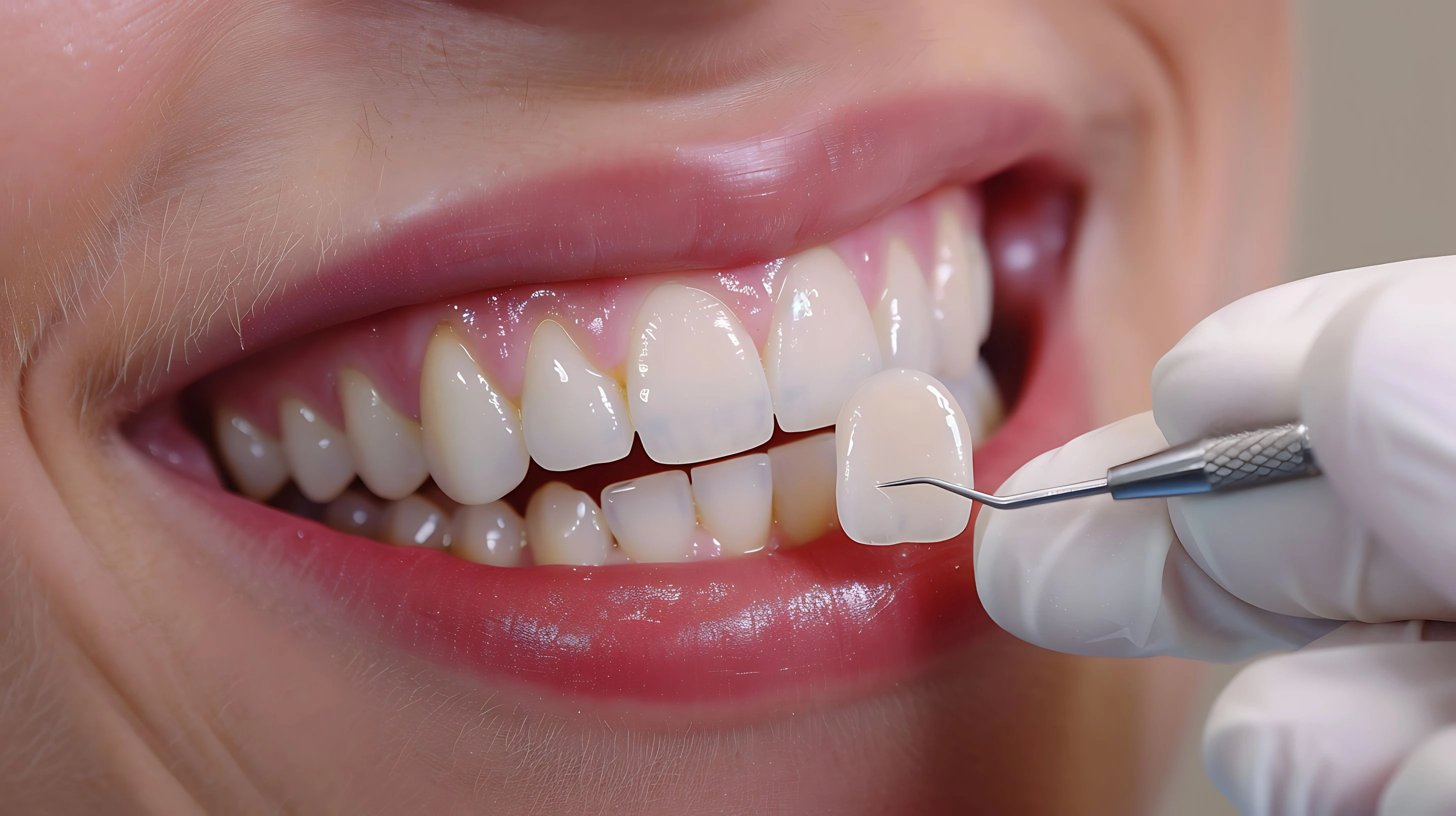
Composite veneers are made from a tooth-coloured resin that’s applied and shaped directly onto the tooth surface in a single appointment. They’re generally at a lower price point than porcelain veneers and require little to no tooth preparation in many cases.
The trade-off is durability. Composite resin is not as strong or stain-resistant as porcelain, and composite veneers typically last around 3–5 years before they may need to be replaced or touched up.
We often have a conversation about veneers when a tooth is structurally sound but has:
One of the clearest ways to think about the crown vs veneer decision is to ask: why does this tooth need treatment?
Veneers are primarily a cosmetic treatment. They suit teeth that are structurally healthy but have surface-level concerns (discolouration, shape, minor chips, or small gaps), as mentioned above. The tooth itself is sound, but the goal is to improve its appearance.
Crowns are primarily a restorative treatment. They suit teeth that have experienced structural compromise (significant decay, fracture, wear, or the aftermath of root canal treatment), as mentioned above. The tooth needs protection and rebuilding, not just a surface improvement. Crowns also restore appearance, but function is the primary driver.
{{cta}}
No two mouths are the same, and we won't recommend a treatment without understanding the full picture first. Here's what we look at:
The structural condition of the tooth.
A tooth with significant decay, fracture, or previous large restorations may not be suitable for a veneer. In those situations, a crown is often more clinically appropriate because it provides full coverage and support.
The nature of the cosmetic concern
If the primary concern is the colour, shape, or surface appearance of an otherwise healthy tooth, a veneer may be the more conservative option, preserving more of the natural tooth structure than a crown would.
The position of the tooth
Back teeth absorb significantly more biting force than front teeth. Crowns are more commonly placed in these areas. Veneers are generally suited to front teeth, where biting pressure is lower and appearance is the main consideration.
Bite and jaw function
Teeth grinding (bruxism) or bite misalignment can affect how well either treatment holds up over time. Veneers in particular are more prone to chipping under heavy biting forces, which is why we always factor this in before making a recommendation.
Long-term oral health goals
Both treatments involve steps that cannot be reversed. At Great Alpine Dental, our approach has always been to weigh the short-term cosmetic benefit against the long-term impact on the tooth and your overall oral health. A decision like this should never be rushed.
Both crowns and veneers are well-established dental treatments, but like any procedure, they come with considerations worth understanding before you proceed.
For crowns:
For veneers:
If you're exploring whether a crown or veneer might be appropriate, a consultation is the right starting point.
At Great Alpine Dental, we don’t rush to treatment. Our approach starts with a thorough assessment – understanding not just the tooth in question, but your broader oral health, your goals, and your concerns.
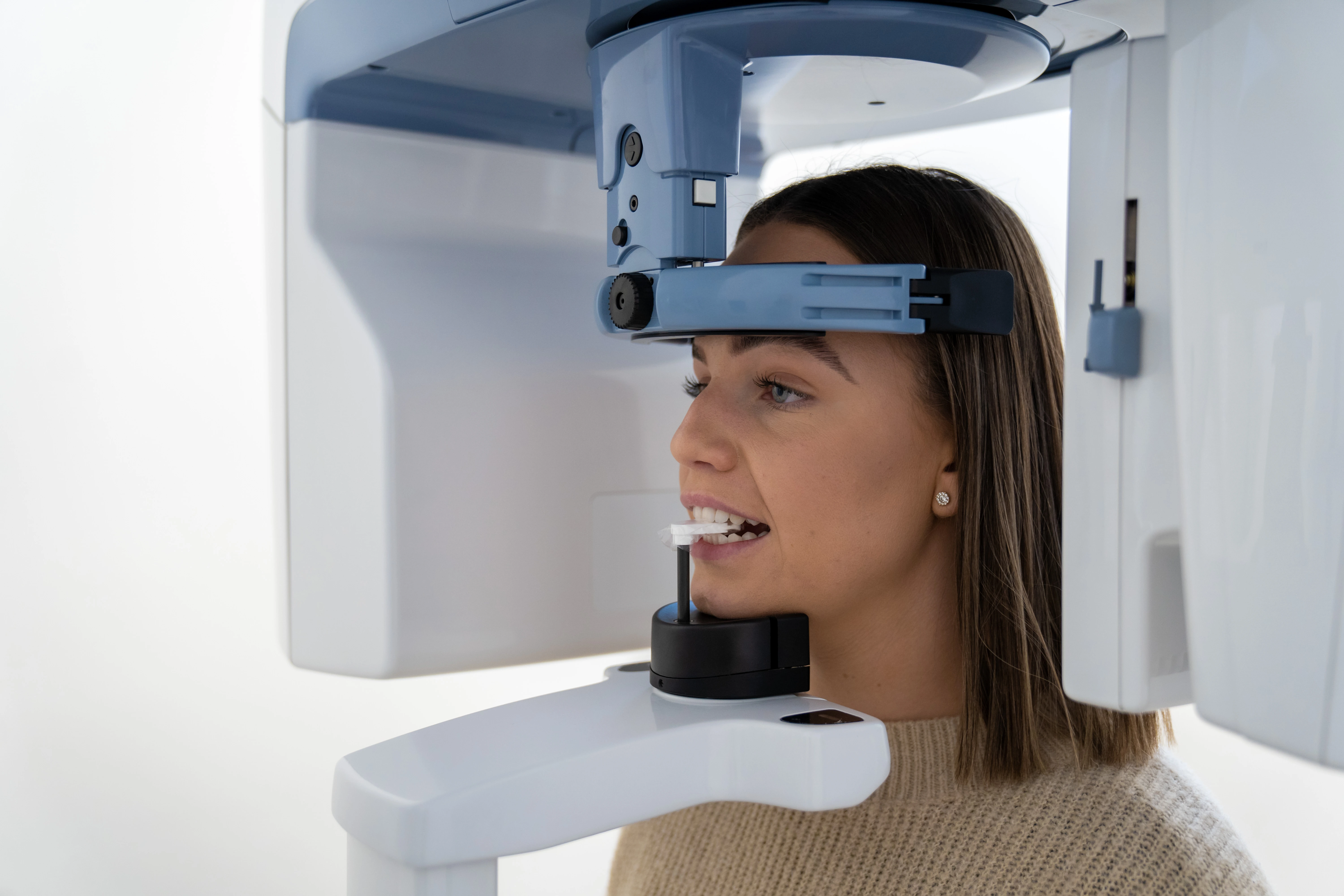
At a consultation, we’ll typically:
This is also the right time to ask about costs, materials, insurance item numbers, and payment plan options if needed.
Our philosophy has always been the same – we’d rather take the time to get it right than offer a quick answer that doesn’t serve your long-term oral health. That applies whether we're talking about a veneer or anything else.
When it comes to dental crowns vs veneers, the right choice depends on the condition of the tooth, what you're hoping to achieve, and your broader oral health. Crowns tend to suit teeth that have experienced structural damage or significant compromise. Veneers are generally considered for teeth that are healthy but have cosmetic concerns.
Both treatments involve irreversible steps, so taking time to understand your options fully before proceeding is worthwhile.
If you'd like to talk through what might be appropriate for your situation, I'd encourage you to book a consultation. We're right here in Myrtleford – no need to travel to the city for a conversation like this.Looking for more information? Our blog covers a range of dental topics to help you understand what other treatments we offer.

.webp)
.png)


